EV Charging Station Maintenance Done Right in Baker
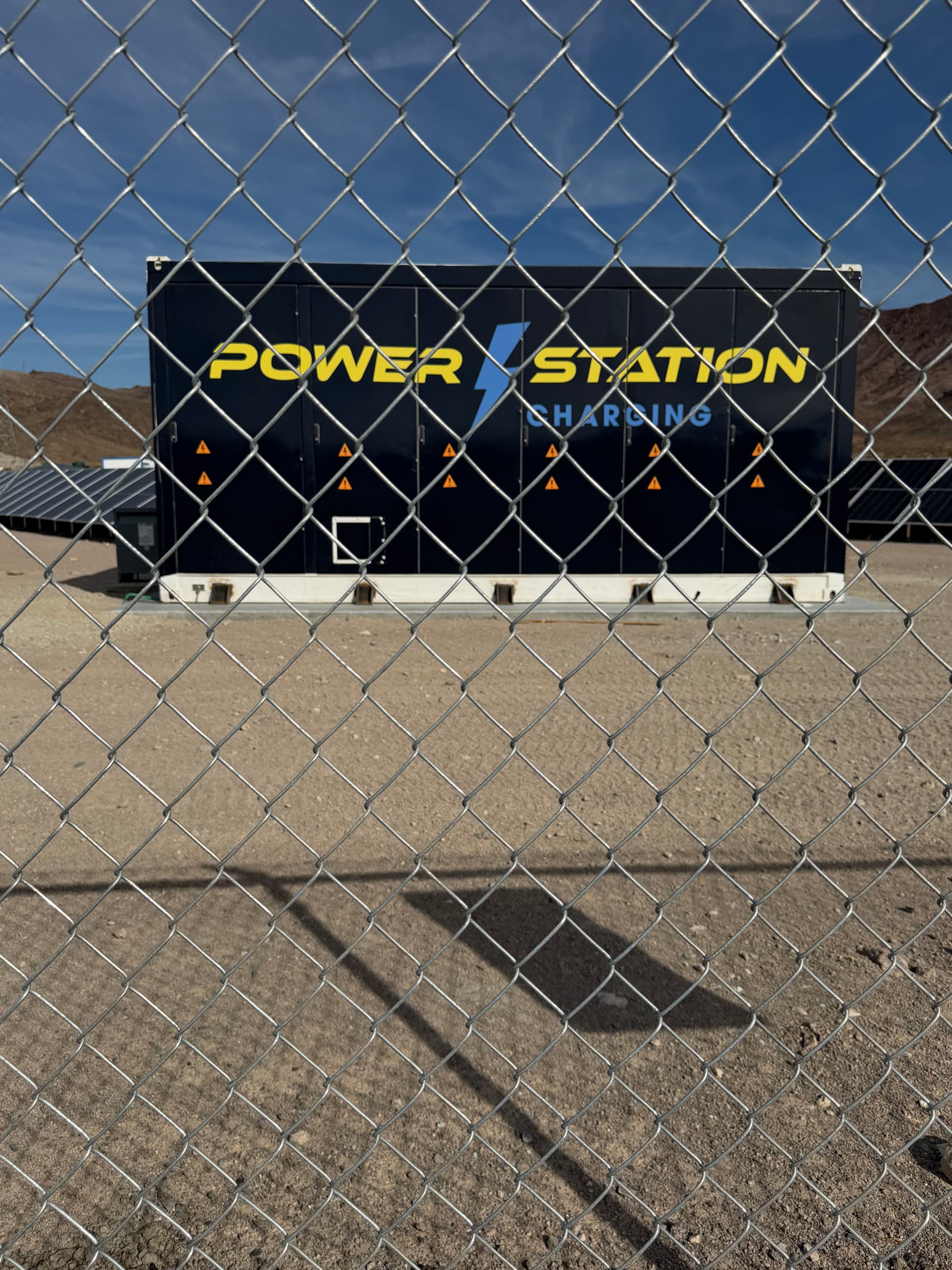
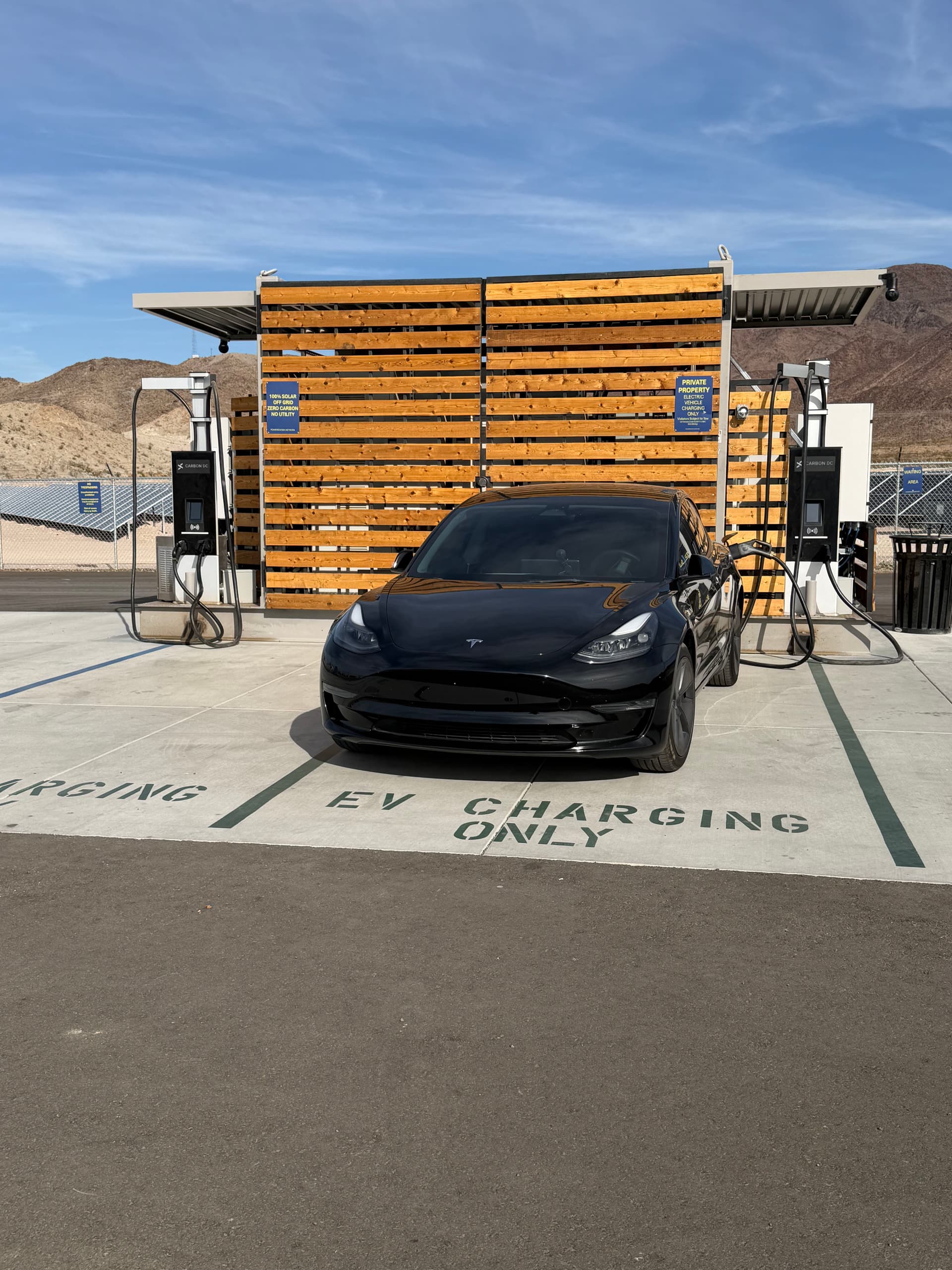
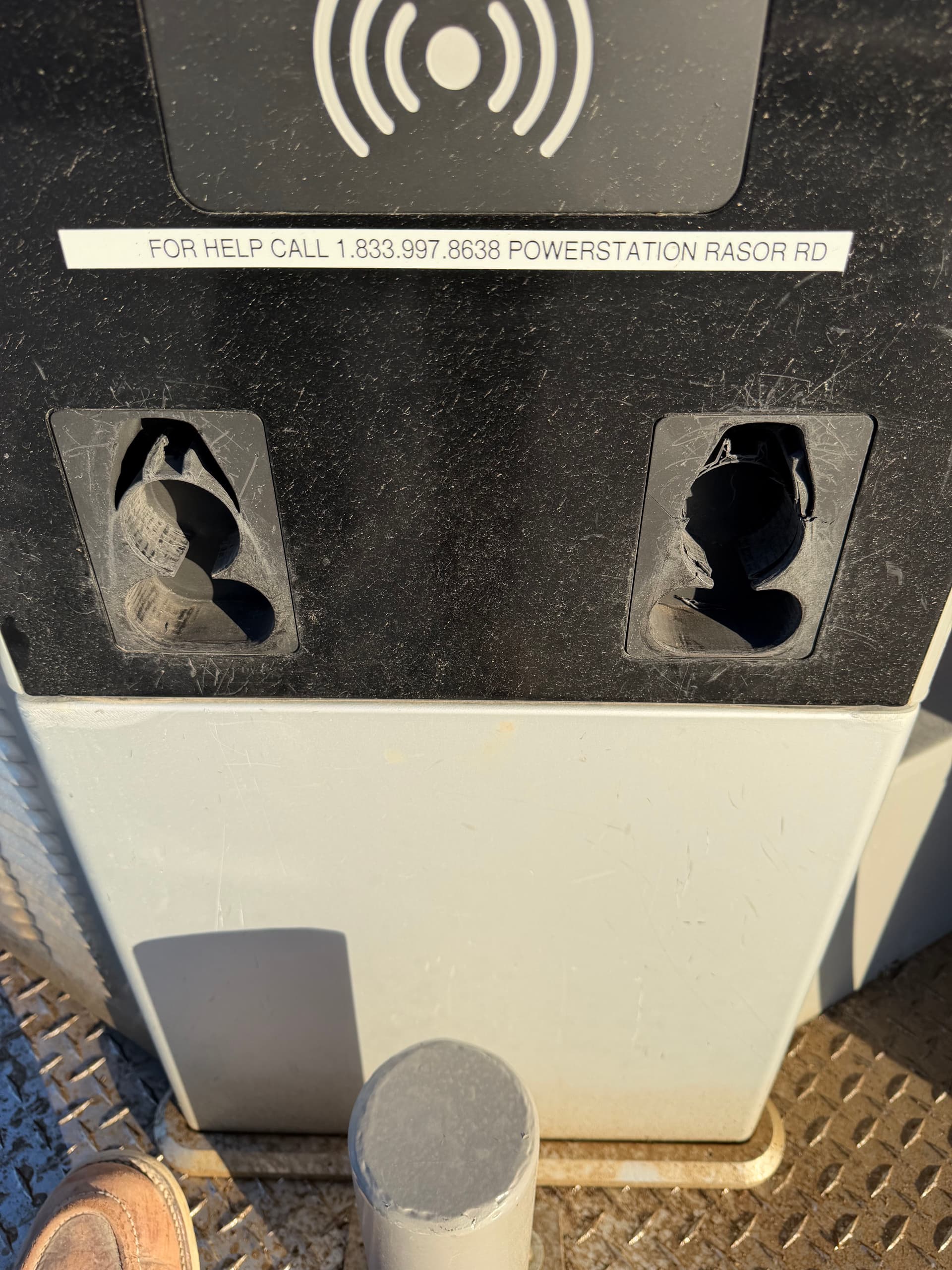
We were out in Baker recently servicing a solar-powered EV charging station - and this one had some real issues that needed attention. The kind of stuff you don't see from the outside but absolutely causes problems down the road if it gets ignored.
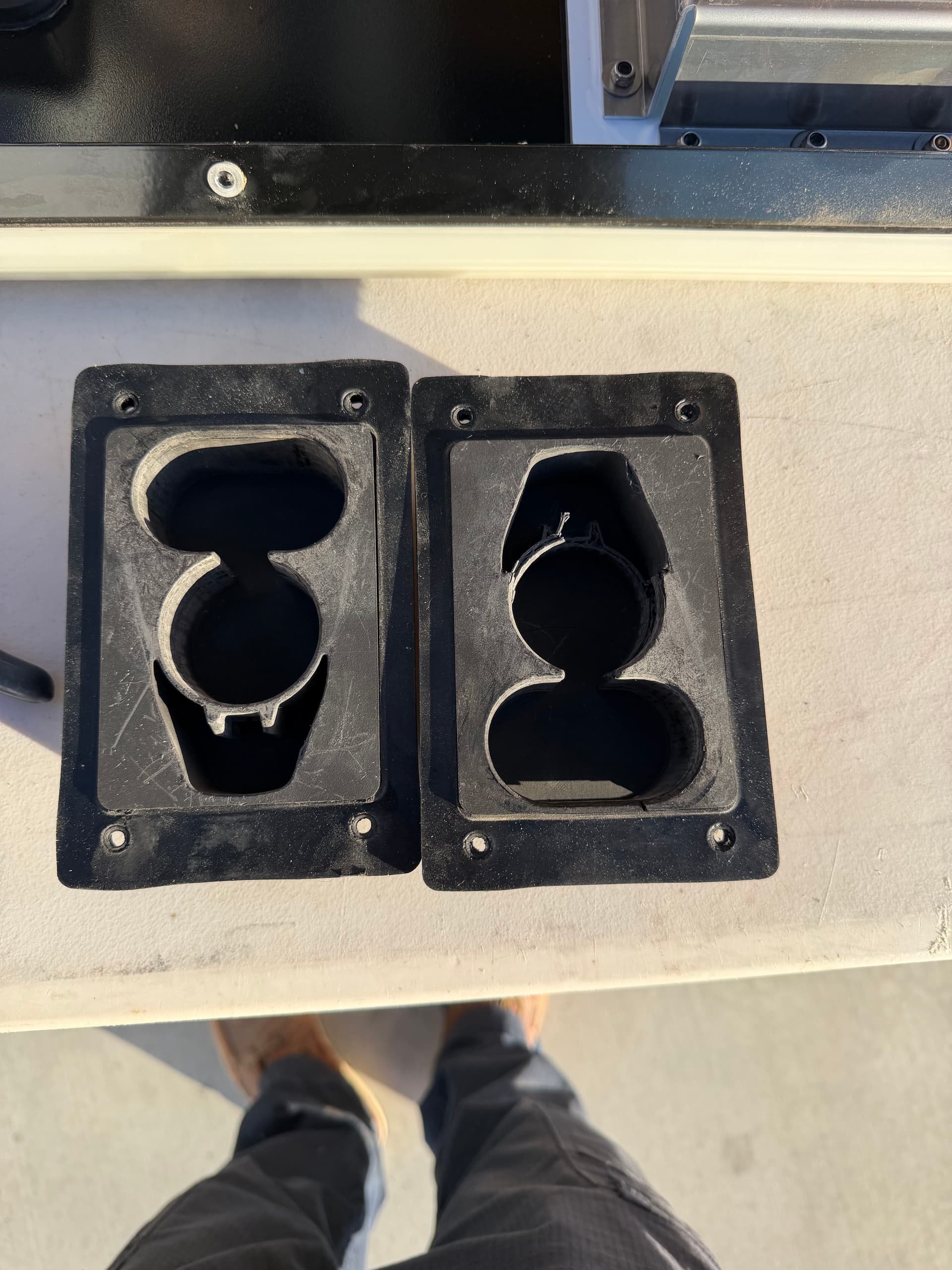
The connector housings on the charger units were cracked and badly worn. That kind of damage doesn't just look bad - it creates safety concerns and can cause the whole unit to go offline. Broken housing means exposed components, and exposed components mean risk. We pulled the worn parts and got them sorted out so the station could get back to doing its job.
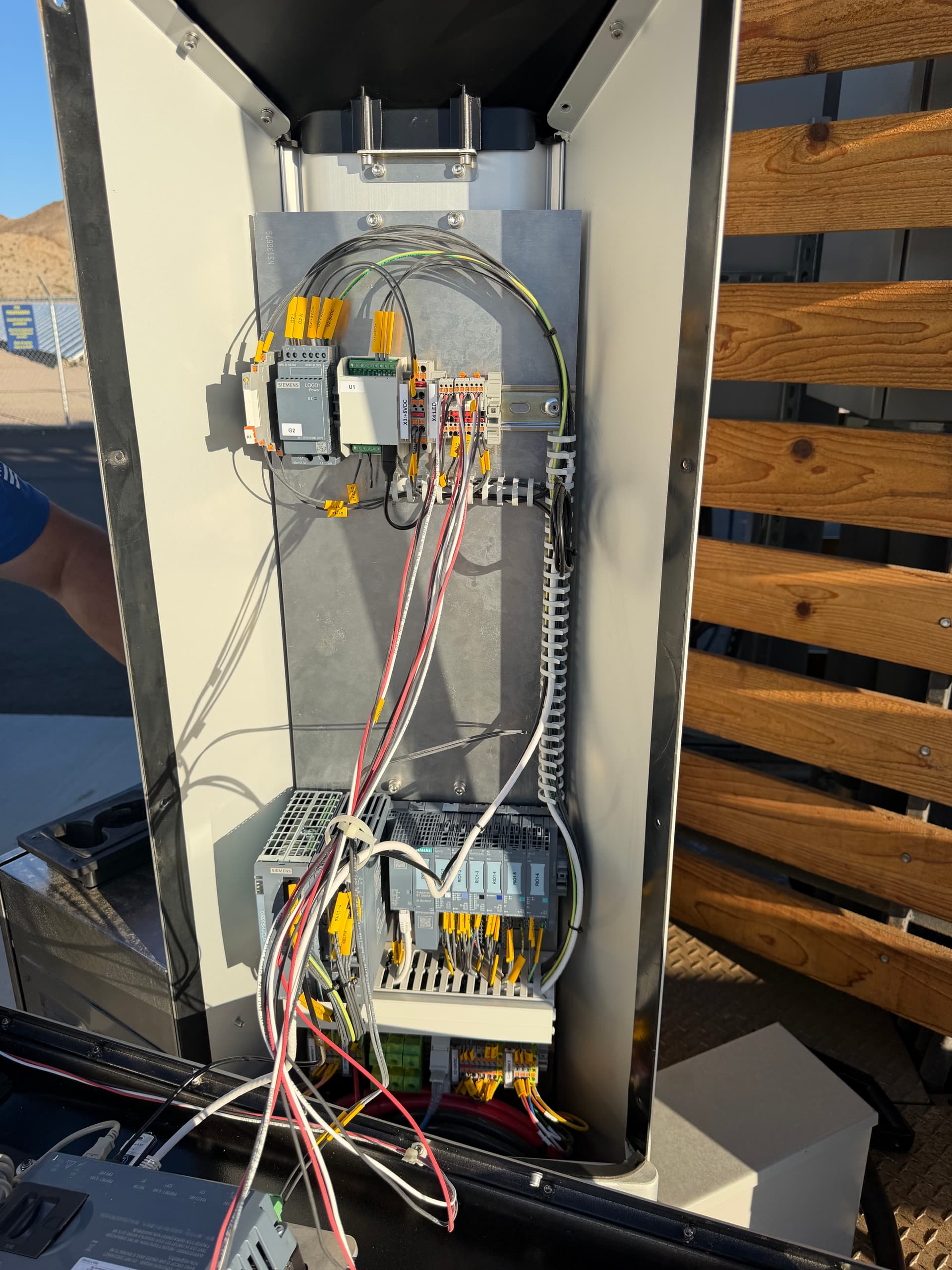
We also opened up the control panel on the charging pedestal. Inside, you've got Siemens control modules, terminal blocks, relay logic - a full system that manages how power flows from the solar array and battery storage unit to the chargers themselves. This isn't the kind of equipment you want just anyone poking around in. It takes real electrical knowledge to service it correctly and safely.
That's exactly why routine maintenance matters on systems like this. One failing component in that control cabinet can take down every charger on the pad. Drivers pull up expecting a charge and get nothing. For a remote location like Baker, that's a serious problem - there aren't a lot of backup options nearby. Keeping these systems healthy means fewer failures and fewer frustrated drivers left stranded.
This is the kind of work we do as part of our backup power solutions - making sure the electrical systems behind critical infrastructure stay reliable. Whether it's a commercial EV charging station, a backup generator, or a solar-tied power system, we bring the same attention to detail every time we open up a panel.