Dangerous Overcurrent Problem Tracked Down and Fixed at Barstow Commissary
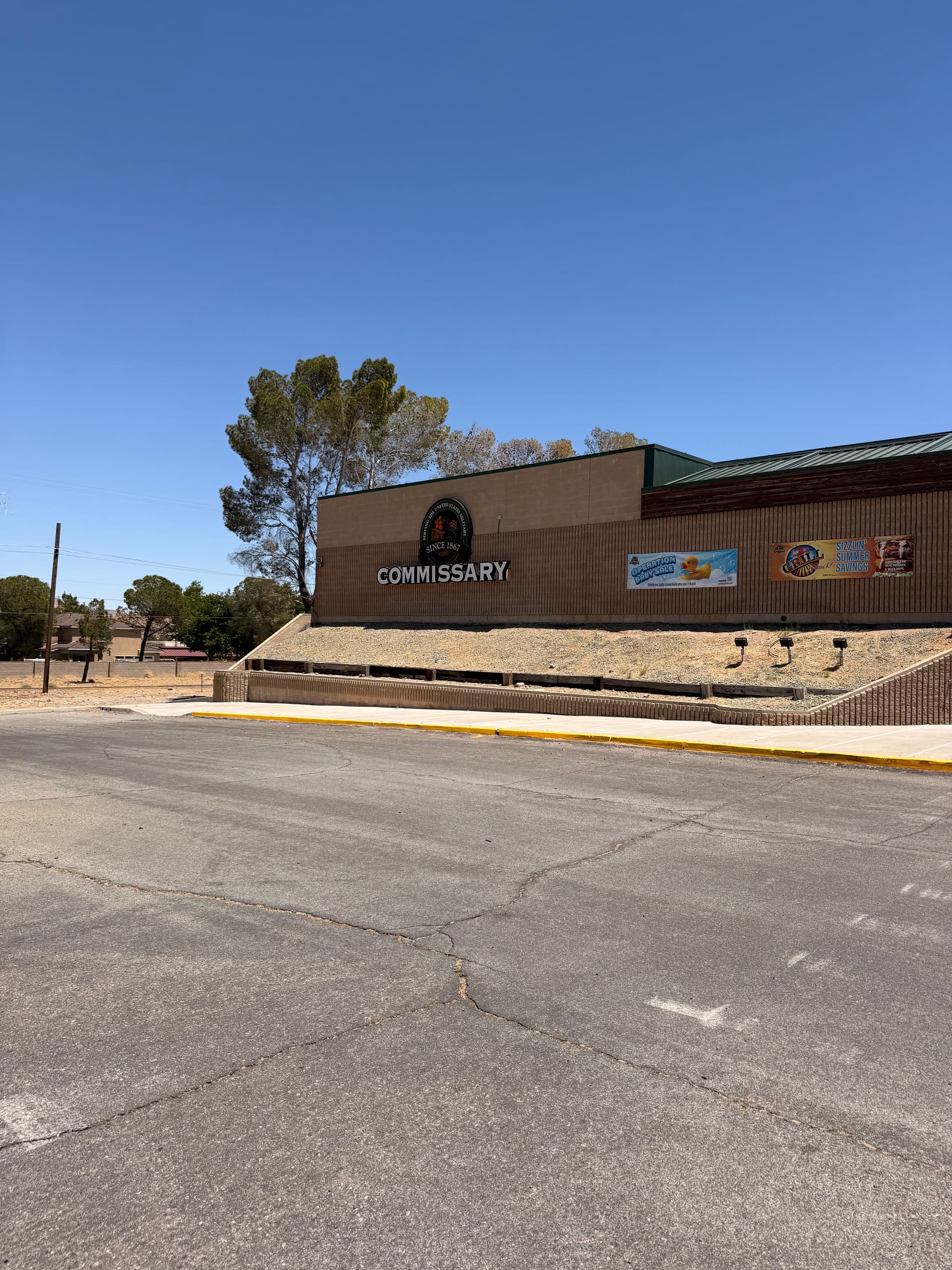
Flipping breakers and hoping the problem goes away is not a fix. It is a warning sign. When a local commissary in Barstow had a power issue, that is exactly the kind of situation we were called in to address - and what we found was a legitimate overcurrent protection problem that needed to be corrected the right way.
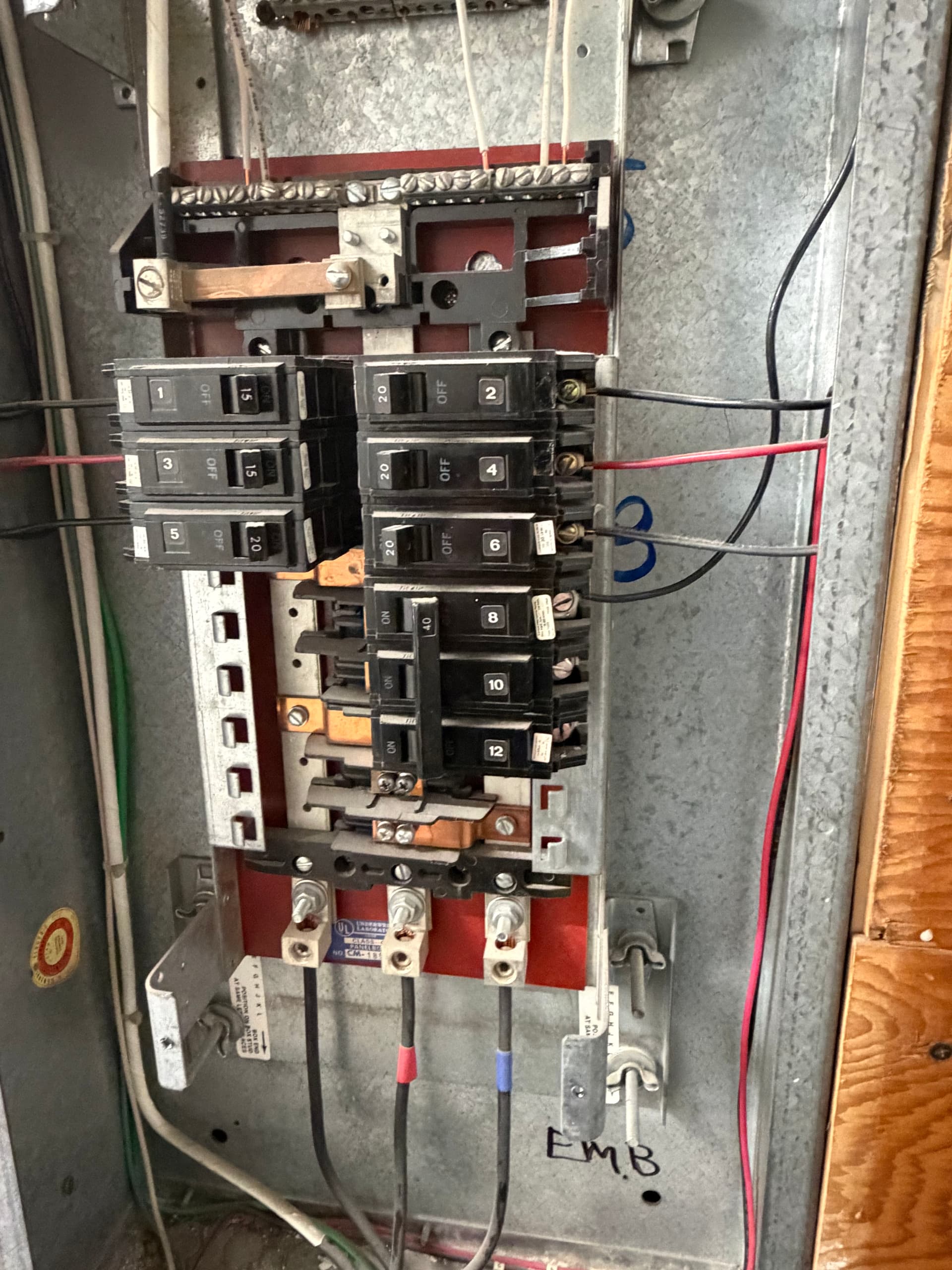
We started with a full diagnostic. That means actually tracing the issue, not guessing. The panel had problems that were creating unsafe conditions for the building and anyone inside it. Overcurrent protection failures are not minor inconveniences - they can lead to equipment damage, tripped circuits under load, and in worst cases, fire risk. Getting it right matters.
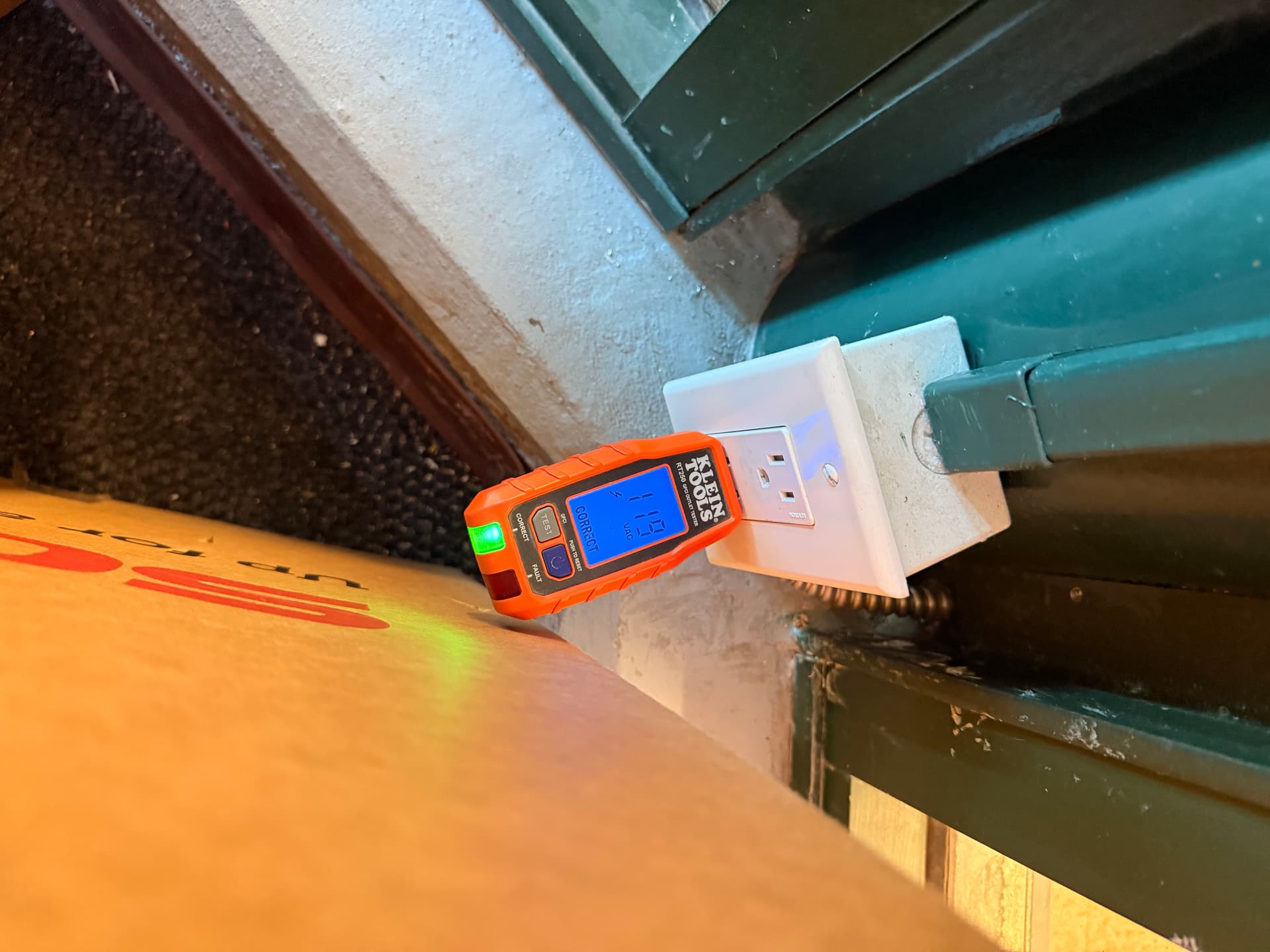
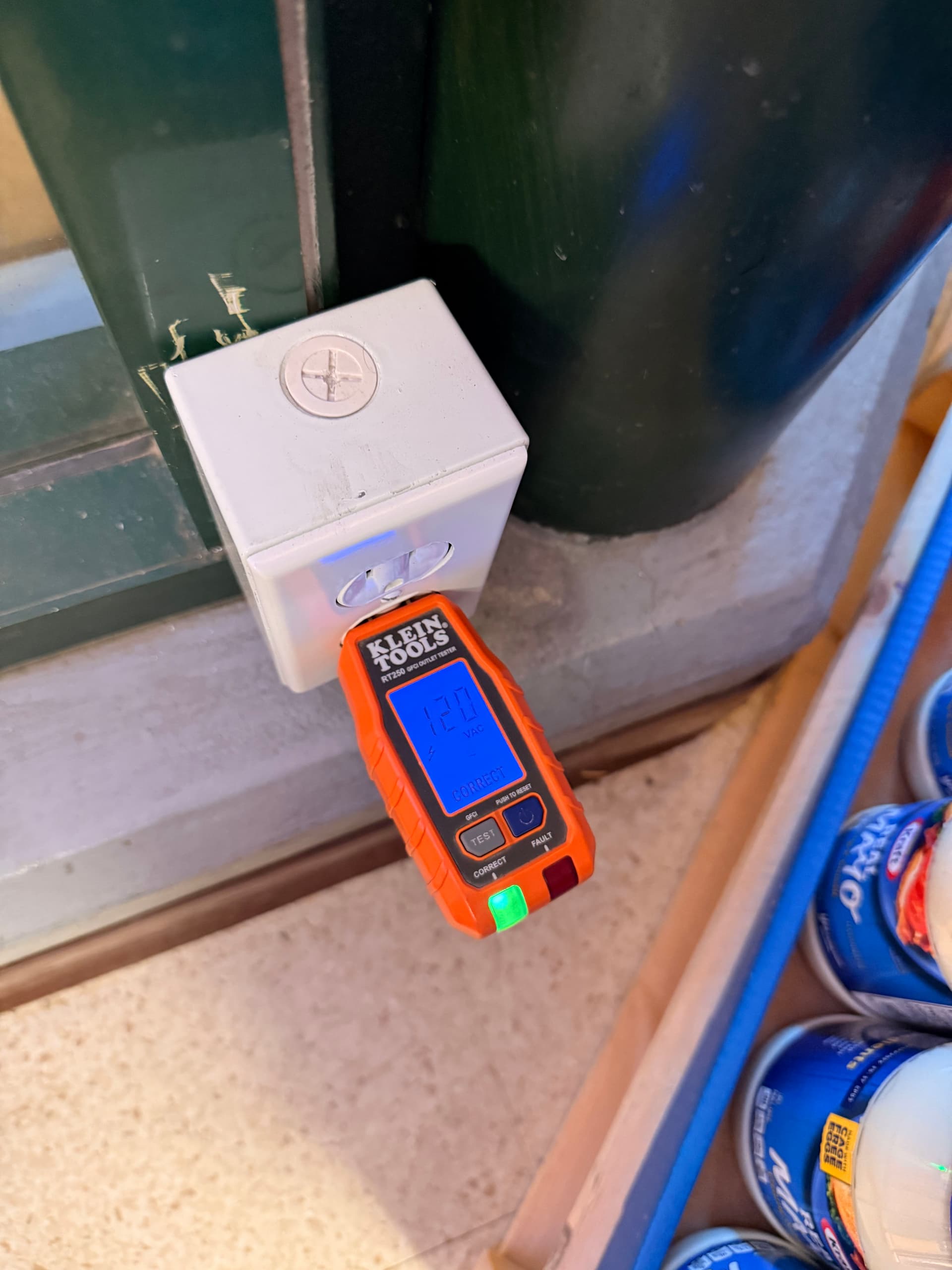
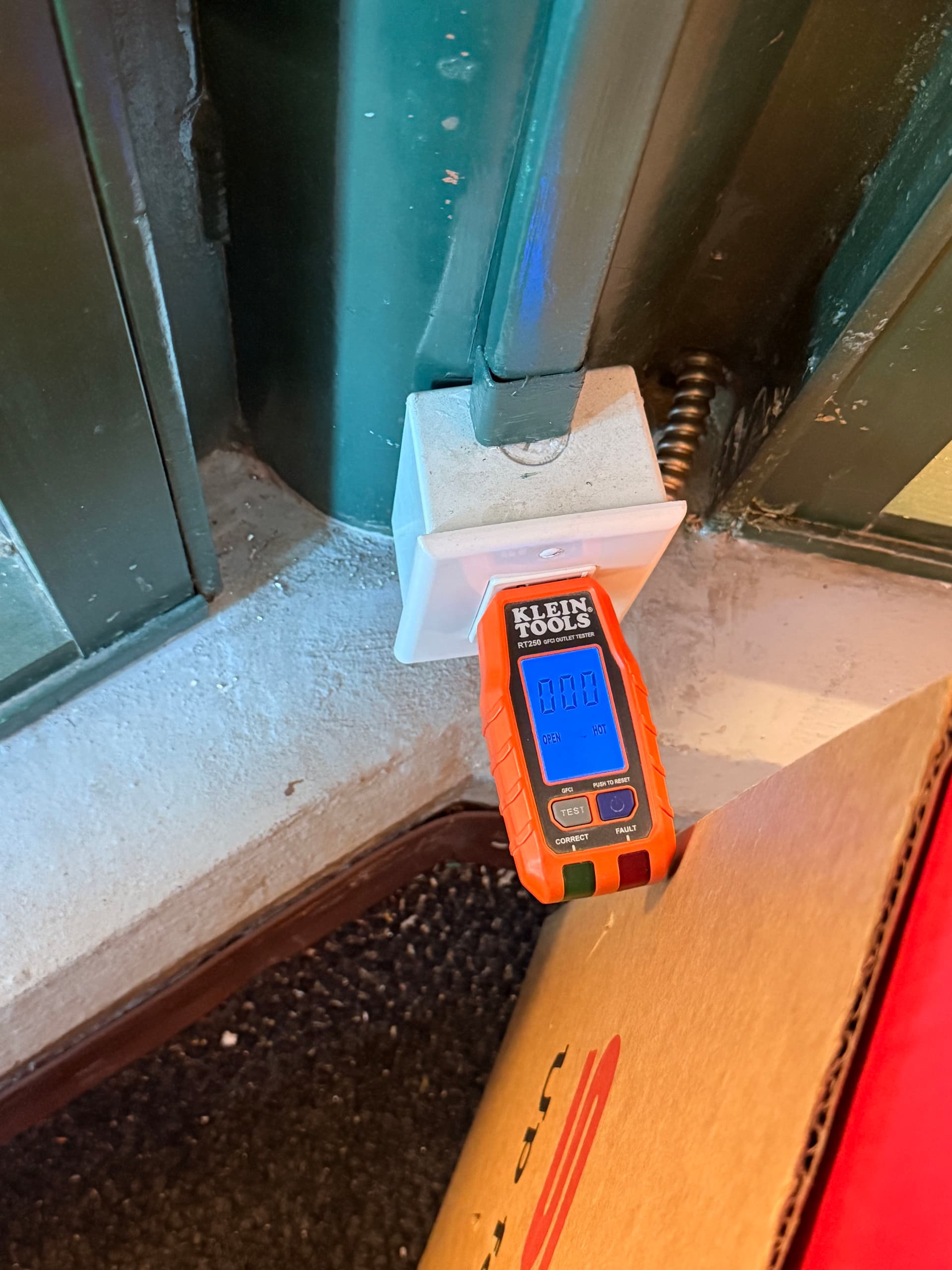
Once the overcurrent issue was corrected, we verified voltage and tested every receptacle to confirm the system was performing properly. Some outlets were reading open hot on the tester before corrections were made. After the work was done, the Klein Tools RT250 was showing clean 120V readings with correct wiring confirmation across the board. That is the difference between a quick patch and a real fix.
We also relabeled the panel. It sounds like a small thing, but a properly labeled panel means that anyone who works on that system in the future - whether it is us or another electrician - knows exactly what they are dealing with. It is part of doing the job completely, not just doing enough to get the lights back on. Code correction and electrical safety go hand in hand, and we treat them that way on every commercial job.
This is what electrical troubleshooting and repair actually looks like when it is done right. No shortcuts, no guesswork. Just a system that works safely and is set up to stay that way.