Cat6 Rough-In for a Full Smart Home Network Setup
Most homes weren't built with modern connectivity in mind. That means slow Wi-Fi in certain rooms, cameras that drop signal, and a tangled mess of cables nobody wants to deal with. Running Cat6 from the ground up fixes all of that - and it's the right way to do it.
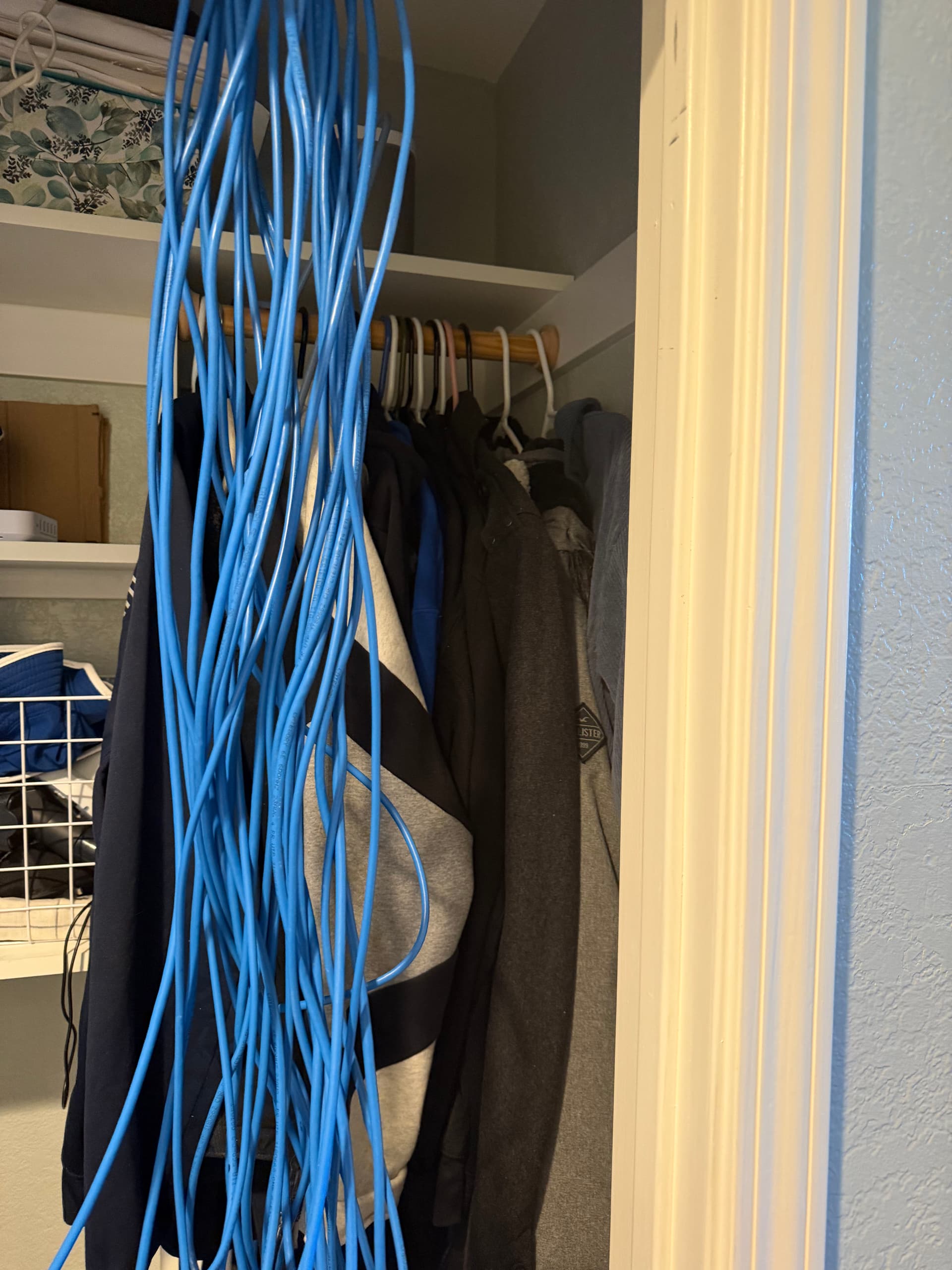
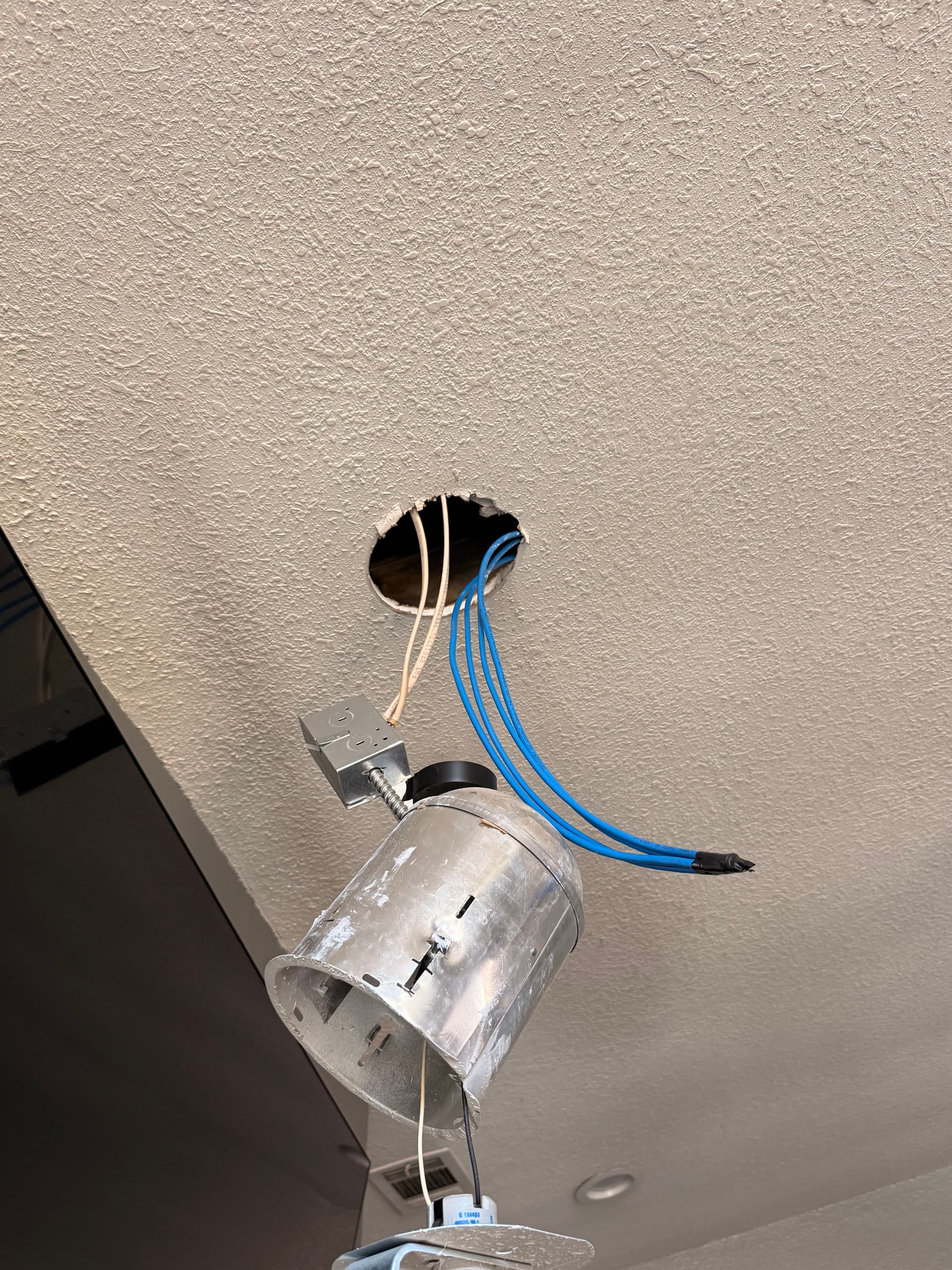
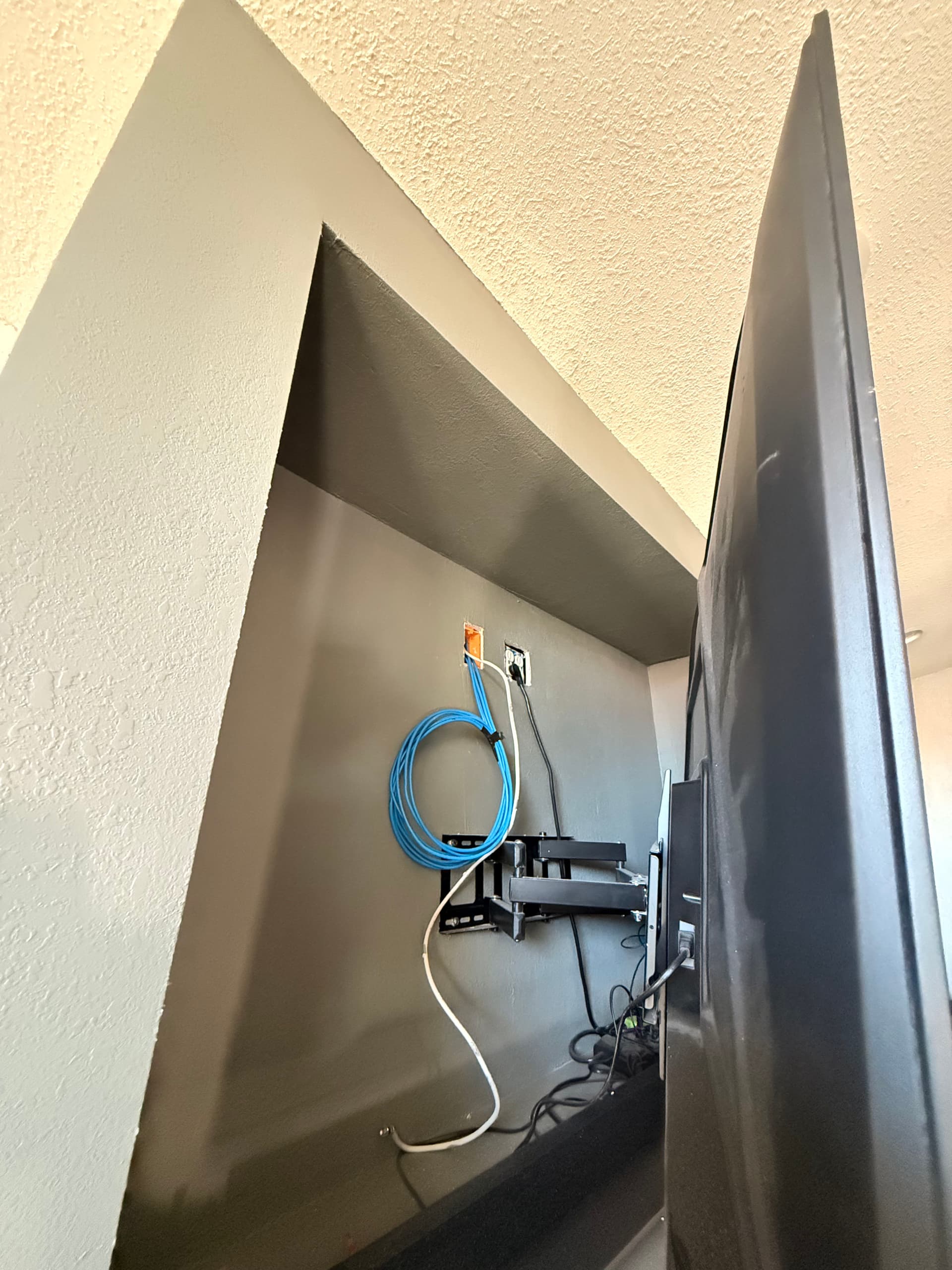
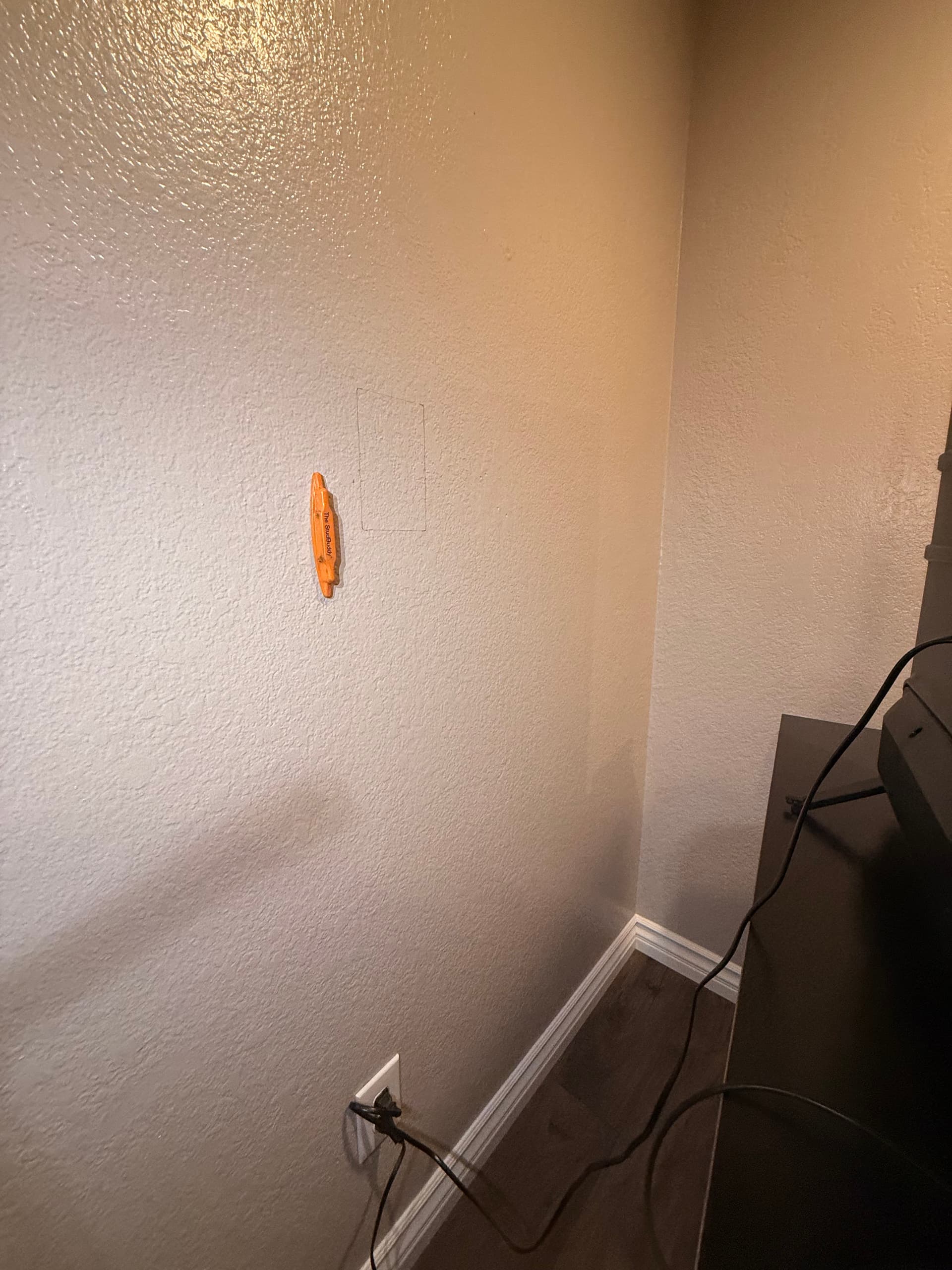
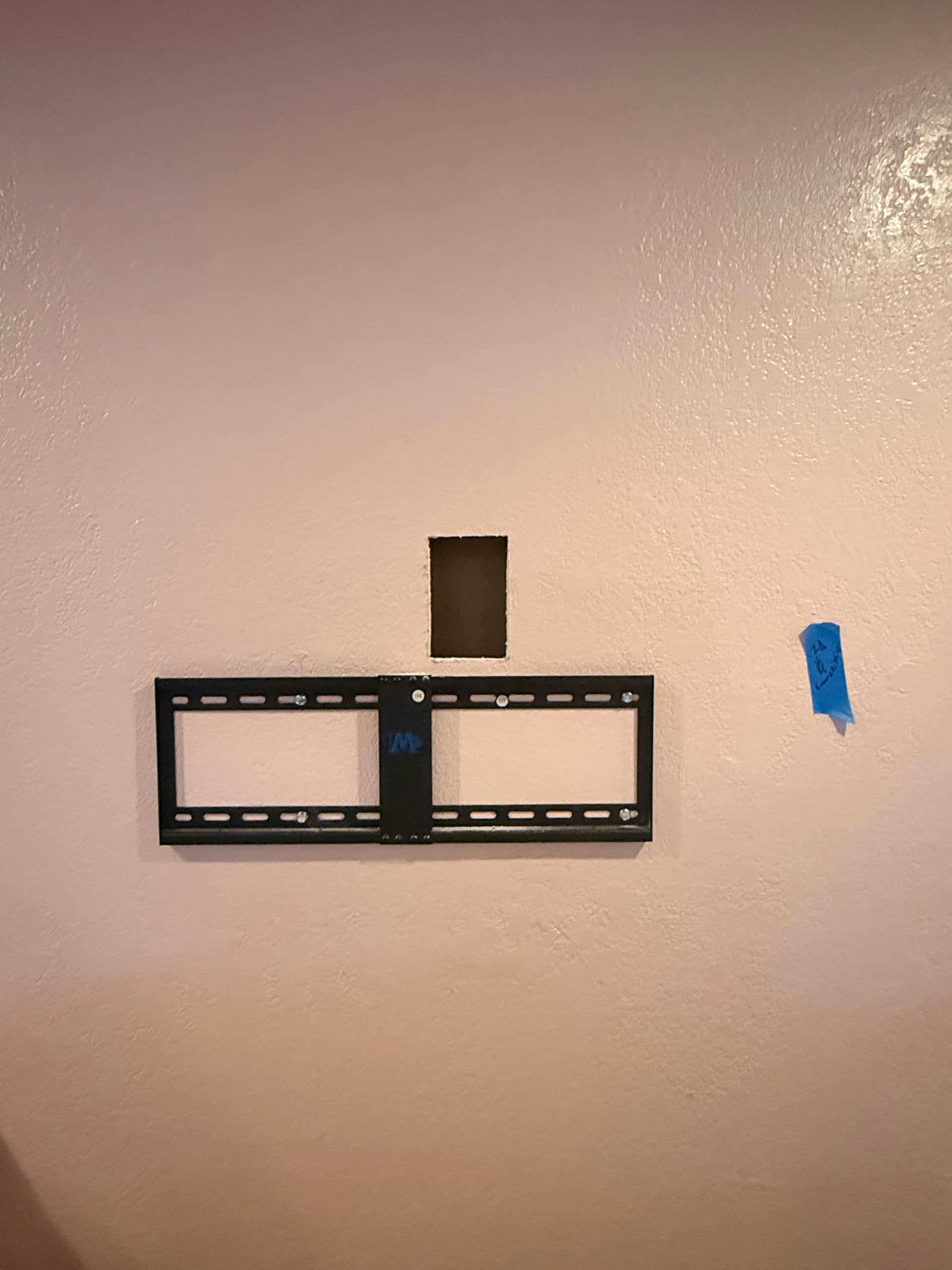
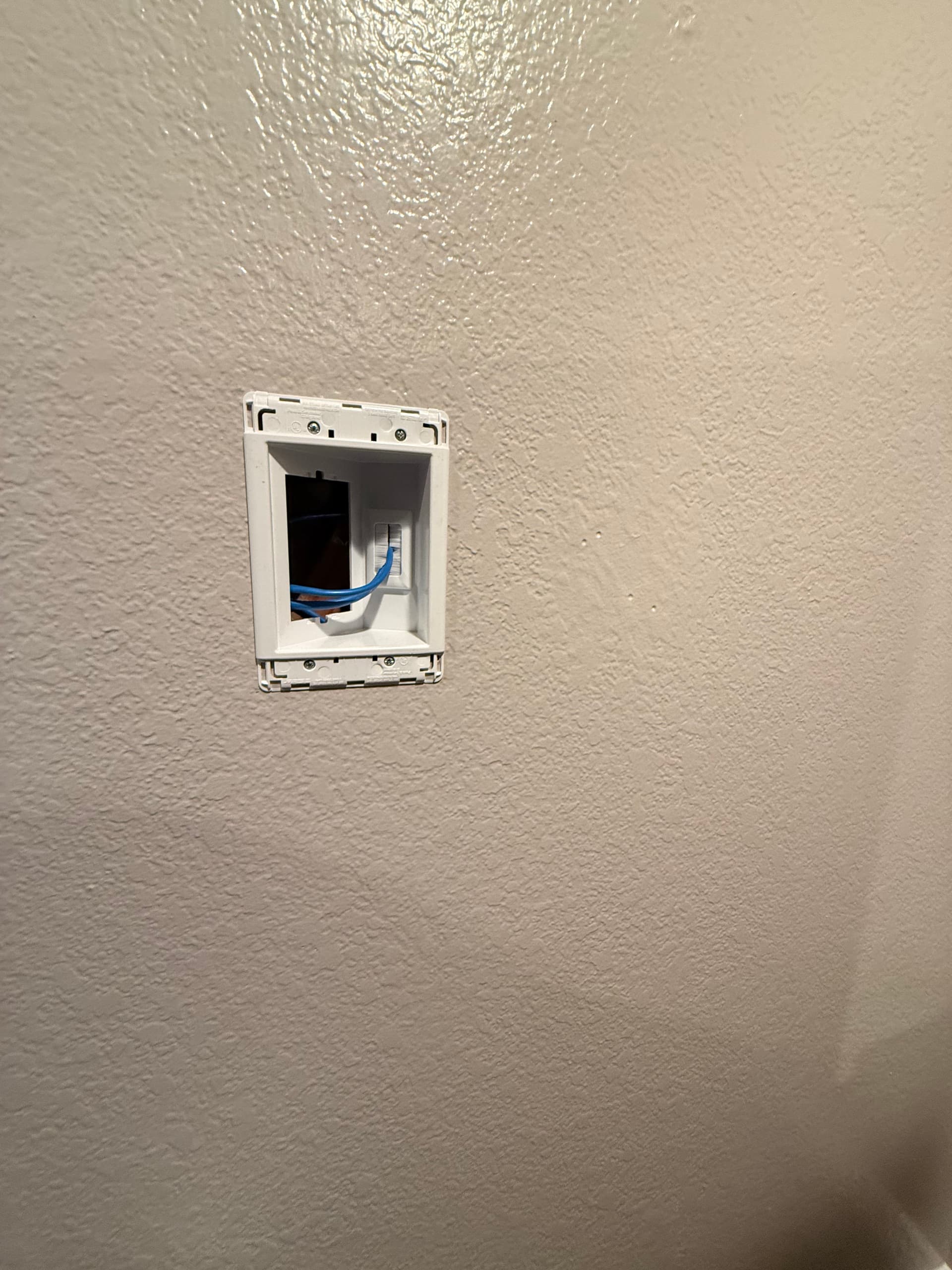
Here's what we were working with: multiple runs of Cat6 pulled through the walls and ceiling, all feeding back to a central point. Every line is routed with purpose. Nothing is just stuffed into a wall cavity and forgotten. The ceiling penetrations are clean, the TV wall bracket location was planned ahead so the Cat6 lands exactly where it needs to, and the in-wall outlet boxes are set flush and ready for termination. That kind of coordination between trades - framing, low voltage, and AV - is what separates a clean install from a frustrating one.
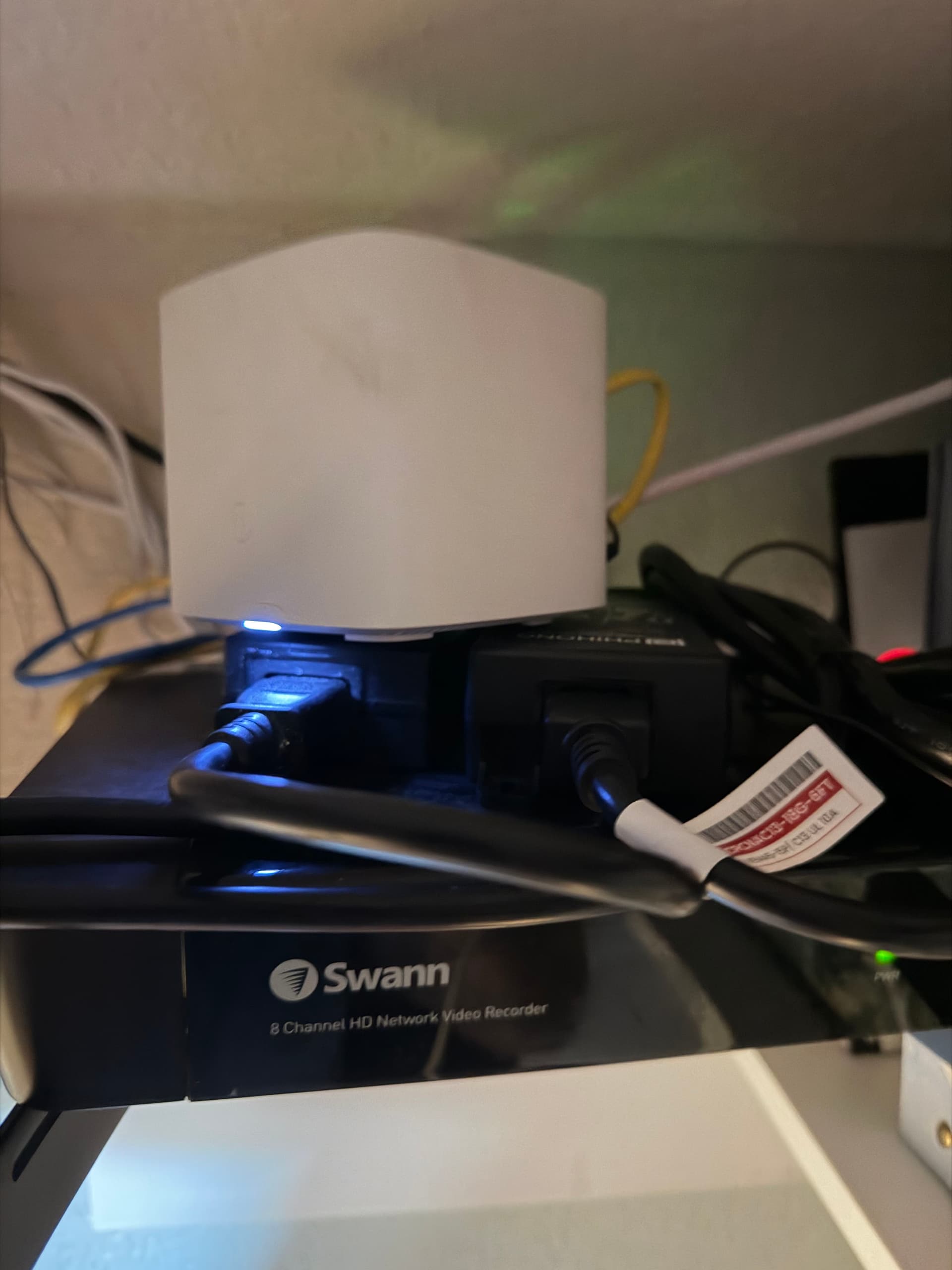
The camera side of things is handled the same way. A Swann 8-channel HD NVR ties the security system together, and each camera location gets its own dedicated Cat6 run. No signal sharing, no bottlenecks. When something needs to be checked or replaced down the road, every line is labeled and accounted for.
What we always tell homeowners is this: the rough-in stage is your one shot to get it right. Once the drywall goes up, adding or moving anything costs significantly more time and money. Pulling extra runs now - even to rooms you don't think you'll need them in - is cheap insurance. Technology changes fast, and a well-wired home keeps up with it.
Cat6 is the backbone of a reliable smart home. Better internet speeds, cleaner camera installs, smoother streaming, and a setup that's actually built to last. We take the hidden work seriously because it's the foundation everything else sits on.